An opinion, and I am not asking permission. No spreadsheet attached, no footnotes, no think-tank study. I will say what I think, the way I think it, because that is what a page with my name on it should do.
Taxation is theft
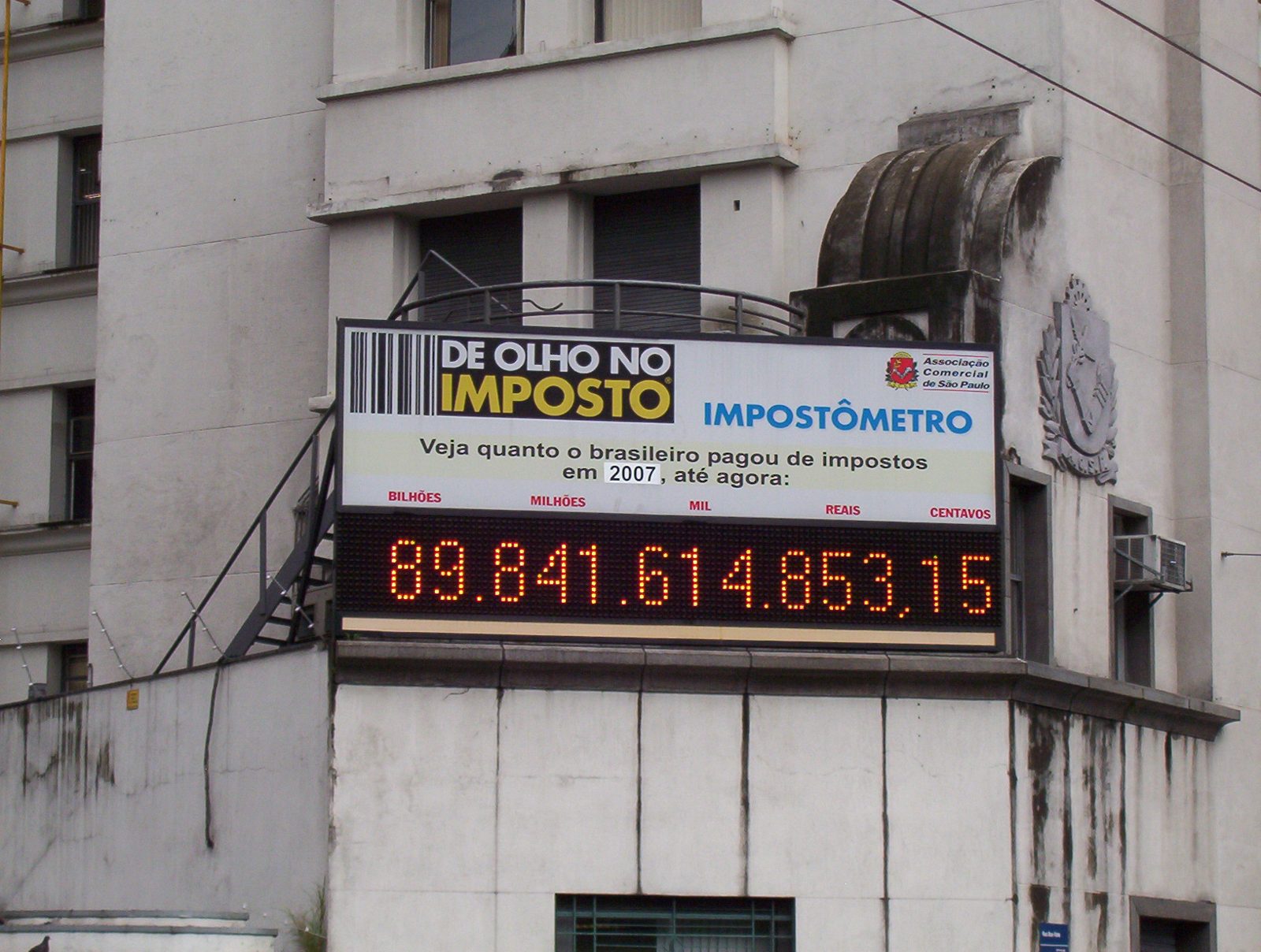
Start with the bill. Income tax, tax on industrial goods, on circulation of goods, on services, on vehicles, on property, on transfers, on inheritance, on financial operations; social contributions on revenue, on profit, on payroll; a levy on fuel; and a fee for everything the taxes forgot. There is a board in the centre of São Paulo that adds up, in real time, what the country collects — and it never runs backwards. You work months of the year for the state before you work a day for yourself. Call it what you like; I call it by its name. Taxation is theft. Theft with a law, a payment slip and a barcode, but theft: someone who produced nothing takes what you produced, and you do not have the option to say no.
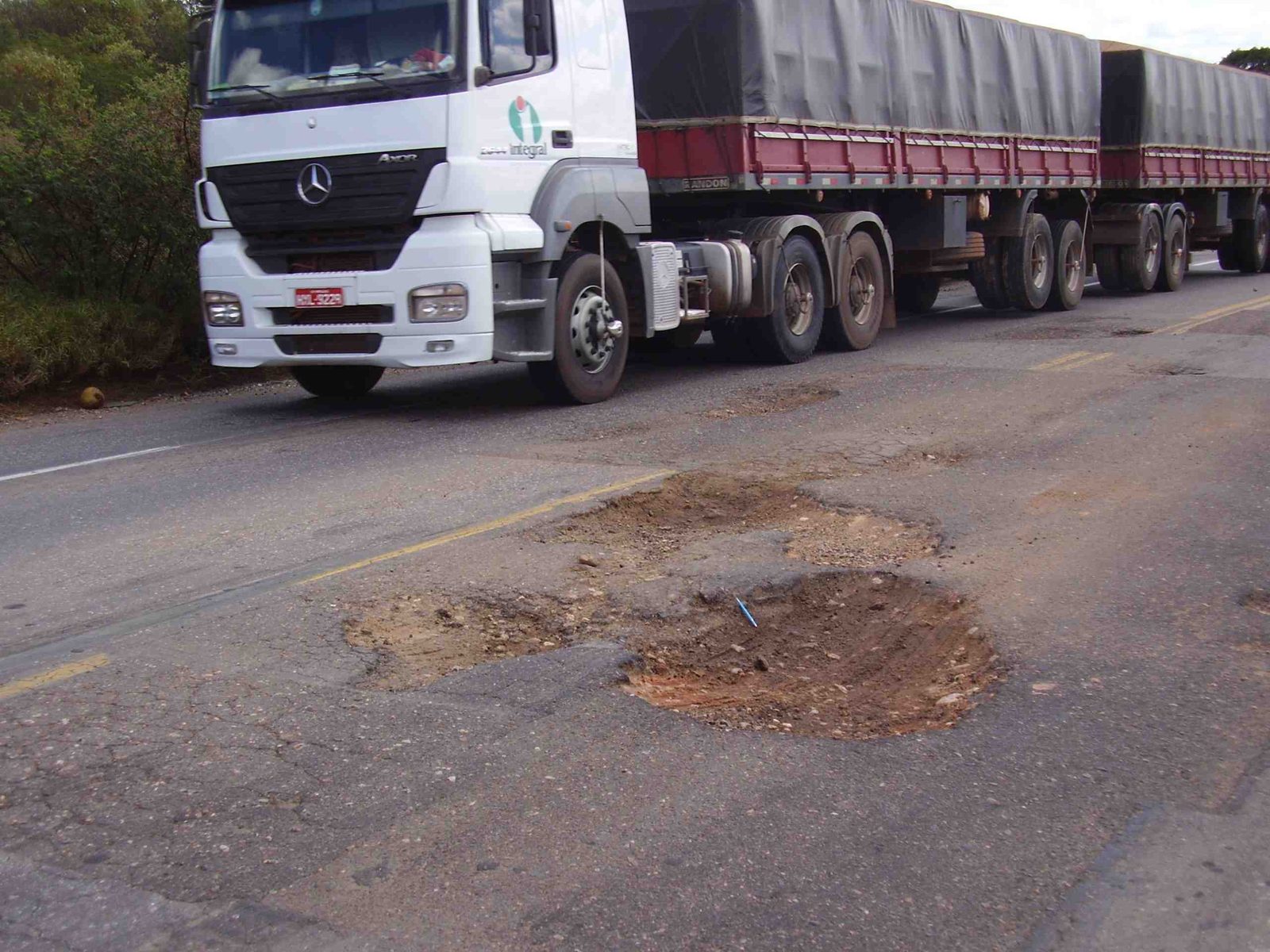
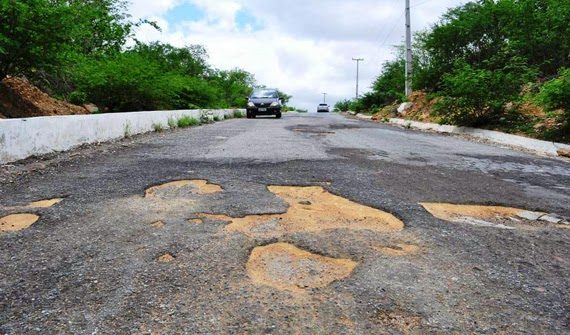
And look at what comes back. The road you paid for in fuel, in tolls and in vehicle tax, delivered in craters. The hospital you paid for in social security and in everything else, delivered as a queue in a corridor. The safety you paid for in all of it, delivered as a high wall, an electric fence and the hope of not being next. And the corruption — not an accident of the system, but the system working as designed: money taken by force from the many, administered by the few, audited by the same few. Taxation is theft, and the proceeds of theft rarely arrive where they were said to be going.
Taxation is theft: the case of the car
A man buys a car. Finances it over sixty months, pays the taxes buried in the price, pays the tax on the financing, pays the licensing fee, pays for the plates. Bleeds for three years to settle it. The car is his — his on paper, his in effort, his in everything he gave up to make that instalment.
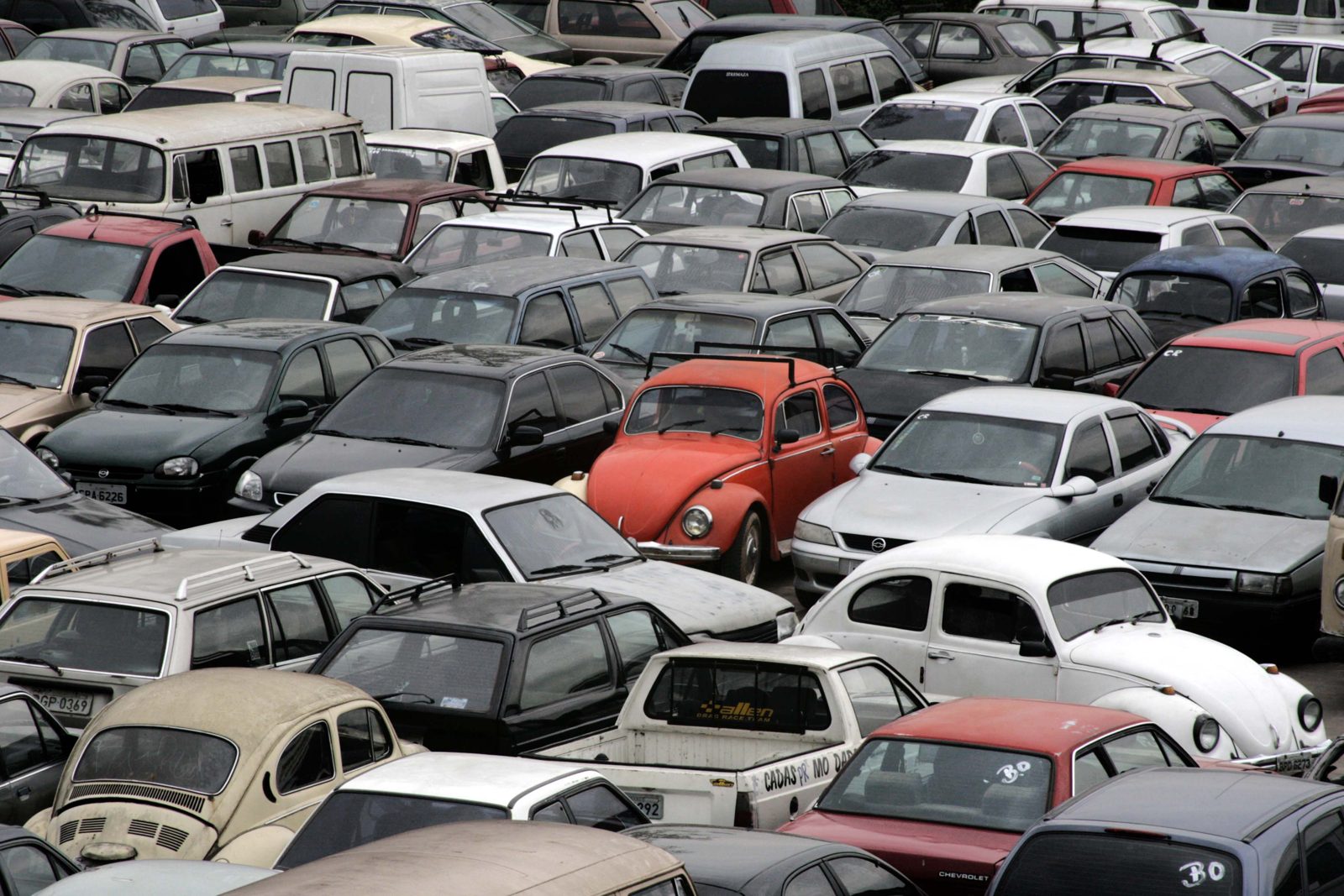
Then one year he cannot pay the vehicle tax. And the state, which put not one cent into that car, shows up with a tow truck and takes it. Takes the asset he bought and paid for, and deposits it in a yard, in the open, where sun, rain and time do what they do to anything abandoned: rot it. The car no longer serves its owner, does not serve the state, serves no one. It exists only as proof that the state can. Taxation is theft — and this is the moment the theft takes off its mask and shows its face: property that is not yours while there is a slip outstanding.
Taxation is theft: whoever tries to produce
Try to open a business. Not a multinational — a bakery, a repair shop, a small software company. You will find that the state has a counter for every step and a stamp for every counter. Permit, registration, certificate, licence, inspection, slip. Months to begin to exist; an accountant just to avoid being fined for existing. Nobody on the other side of the counter asks what you need. The question is always the same: what you owe.
And when, despite all of it, the business works — when you hire, produce, sell, pay people — the state arrives to take its share. Not the share it helped build, because it helped with nothing. The share it decided is its own. On the sale, on the profit, on the payroll, on whatever is left. Taxation is theft, and it is an especially cruel theft against those who produce: it punishes exactly the behaviour the country needs most, and then asks at a seminar why the country does not grow.
Taxation is theft: what I stand for
I am not for chaos. I am for economic freedom — the simple idea that whoever produces decides what to do with what they produced. I am for a liberal market, where prices, wages and deals are settled between people, not dictated by someone who never signed a payroll. I am for a state small enough to fit its function — protecting life, property and contracts — and not a centimetre larger. I am for private enterprise, because every good thing I use every day was made by someone who wanted to sell it and earned the right to earn.
I believe the road would be better if those who use it paid those who maintain it, and could change supplier. That the hospital would be better if the patient were a customer, not a ticket number. That safety would be better if the money that today evaporates in intermediaries were spent by the people who need it. That corruption would shrink by the only remedy that has ever worked anywhere: less of other people’s money to divert. And I believe a country where opening a business takes a morning, not a semester, would have more businesses, more jobs and more people with a reason to stay.
That is opinion. I have no chart to prove it, and I will not pretend I do. But I have payment slips in the drawer — the income-tax return, the small-business slip with four contributions bundled inside it —, a potholed road at the door and a board in the centre of São Paulo that will not stop climbing. Taxation is theft. I just refuse to call it anything else.