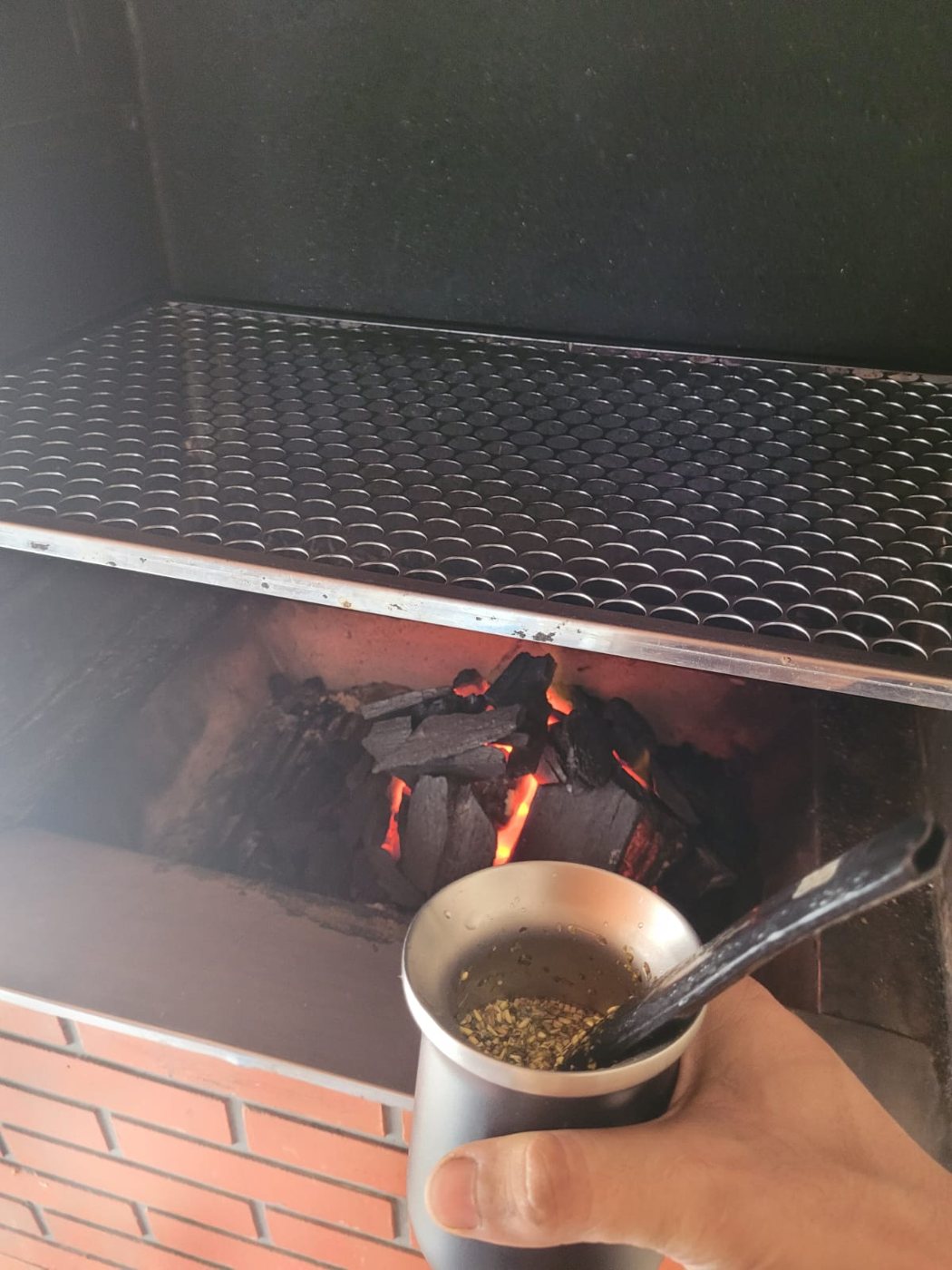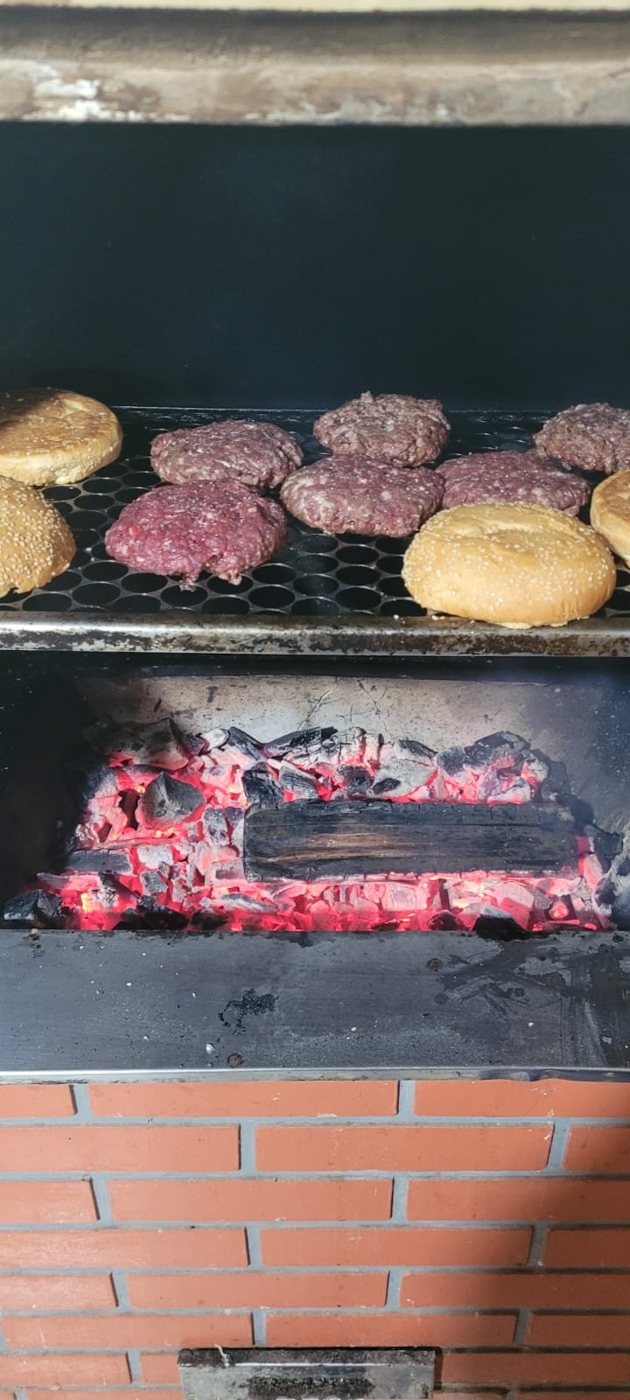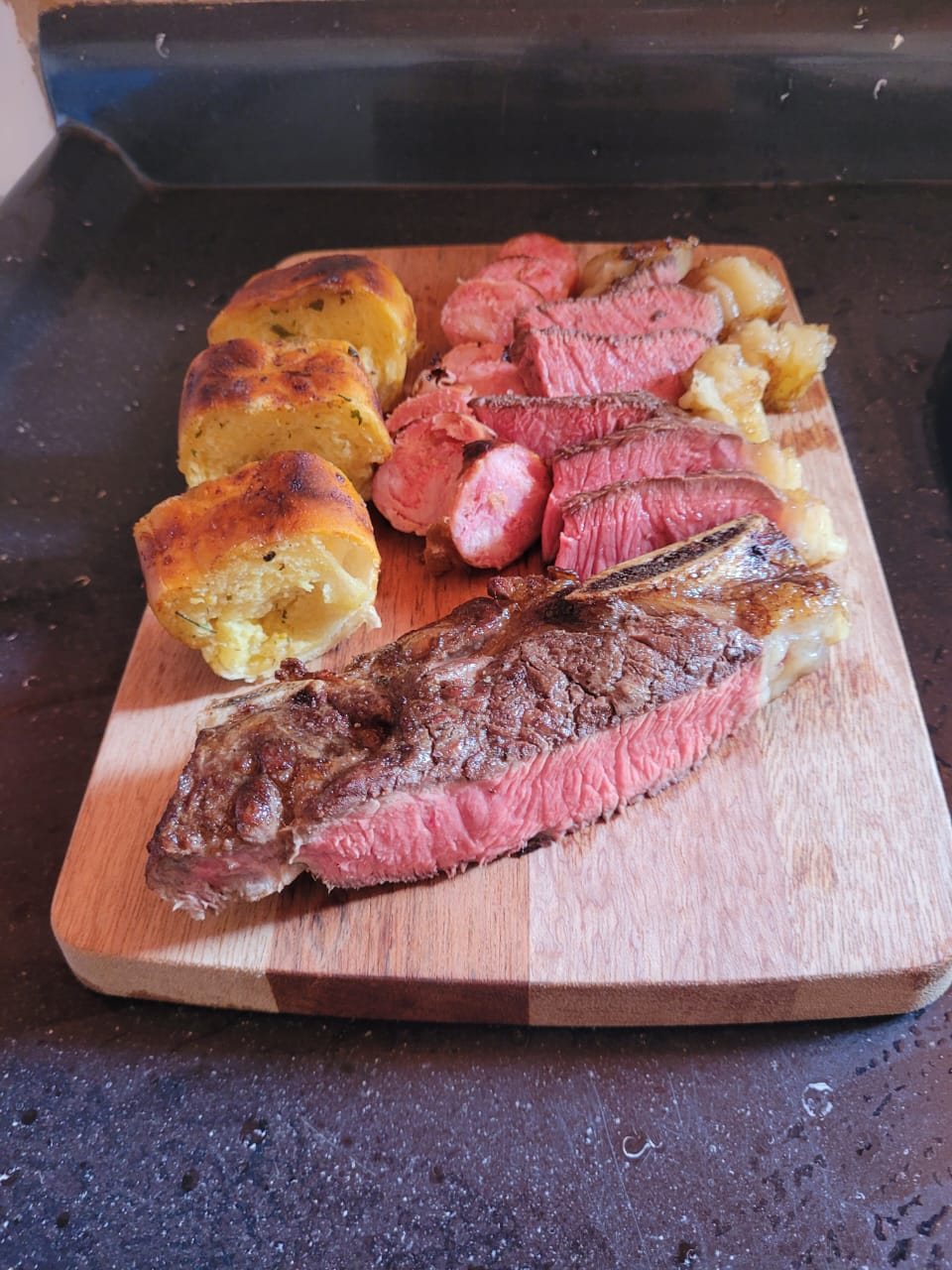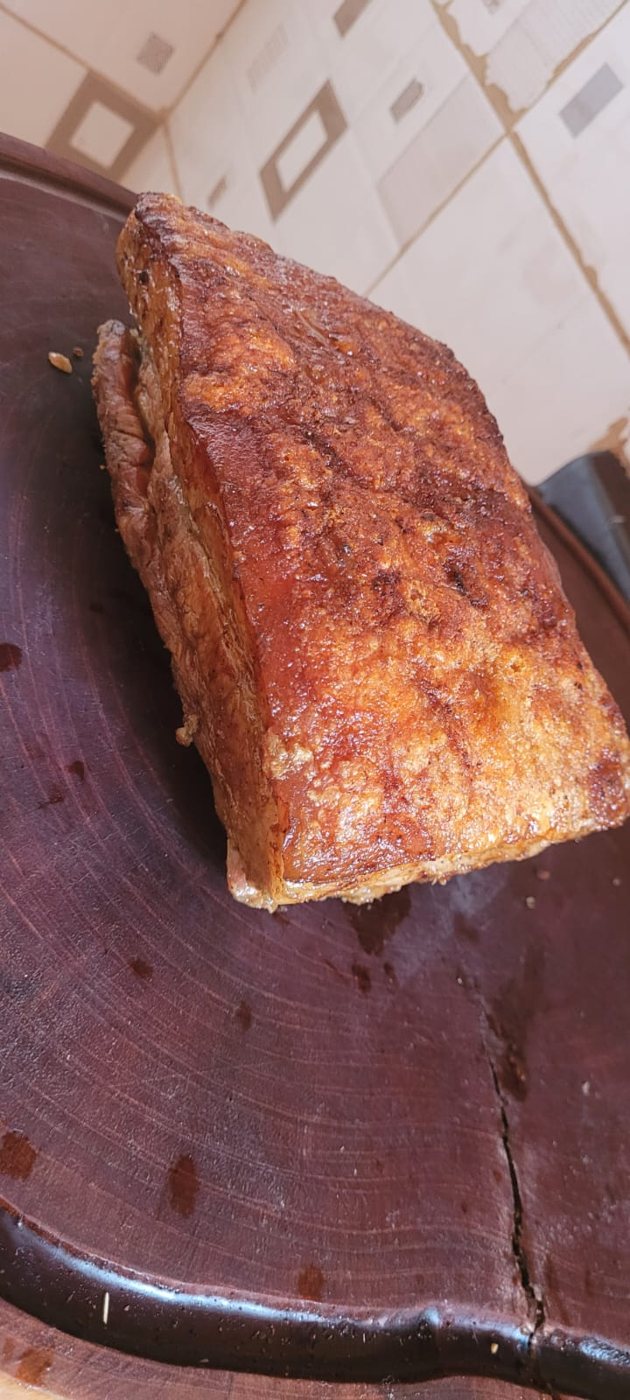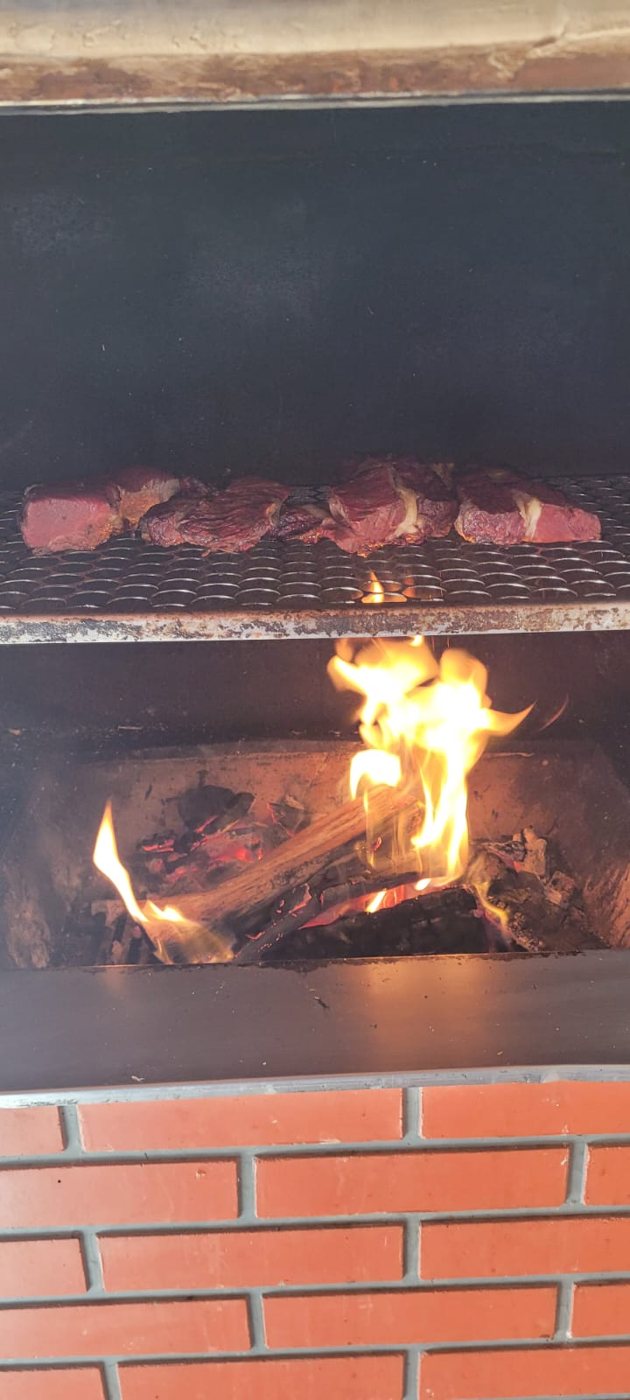
It starts before the meat. It starts with the firewood, with deciding who is coming, with the message in the group that asks "Saturday?" and gets three thumbs-up before it finishes loading. It starts with tereré in hand while the fire still does not know what it will be, and with the first person who arrives too early and stands watching the embers as if they were television. Barbecue, for me, is that: a hobby that gives the people I like an excuse to show up.
There is the family, who already know where to sit. There are the friends, who arrive with one opinion about how the meat should be done and leave with another. And there is my wife, who is the jury that matters — everything I have learned about salt, fire and time was to see her face at the first bite. When she approves, the rest of the table follows.
What happens on the grate
Flavour, at a barbecue, is chemistry done by hand. The golden crust that appears when meat meets hot iron has a name — the Maillard reaction — and it is what separates a piece of cooked meat from a piece of meat that makes someone close their eyes. For it to happen the surface has to be dry and the fire has to be high. Then the fire drops, the embers do the rest, and patience takes the place of hurry.
And that is where the real arguments begin. Salt before or after the sear? I have done it both ways more times than I can count, and the honest answer is: it depends on the cut, the thickness and how much time you have. Coarse salt right before, for a thick piece that will rest; salt after, for a thin steak that cannot afford to lose water. What depends on nothing is the rest: meat that goes from the fire straight to the knife leaves on the board the juice that should have been on the plate.
Doneness, and the theatre around it
From rare to well done, every level has its owner at the table. And every barbecue has the person who looks at the pink centre of a slice and says “that’s raw”. It is not. Raw is the meat before the fire; rare is meat that has been over the fire exactly long enough to be warm, tender and alive inside. I explain it kindly, cut a more done piece for them, and move on — because the point is not to win the debate, it is for the person to leave satisfied. I confess I enjoy it when, one barbecue later, they ask for “a little less done this time”.
Those conversations are half of the barbecue. The doneness, the salt, the right wood, whether the garlic bread goes on before or after, who cut the picanha against the grain — all of it is talk, and talk is what keeps people around a fire for three hours without anyone looking at a phone.
Where the week comes undone
I work in technology, and technology never stops asking for attention. Barbecue is one of the few things that asks for the opposite: presence. You cannot sear a steak and answer a message; you cannot manage embers while thinking about the sprint. The fire demands the whole body there, and in return it hands back an empty head. The hours around the grill are the hours when the week’s tension dissolves into conversation, laughter and the smell of fat dripping onto charcoal.
That is why it is a hobby and not a chore. Nobody asks me to barbecue. I do it because I like seeing the table full, I like the moment the board arrives and the conversation stops for two seconds, and I like hearing, every time, the same question: “is there more?”
Maybe one day it becomes a business. Everyone who tries it asks for seconds — and a question repeated often enough starts to look like a plan. For now, it is Saturday, it is fire, it is people. And that is already a lot.